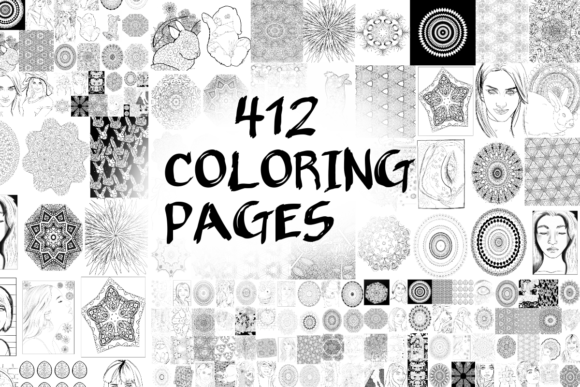
412 COLORING PAGES Adults and Kids
First Impression: A Dense, Playful Archive — Not a Plug-and-Stitch Embroidery File
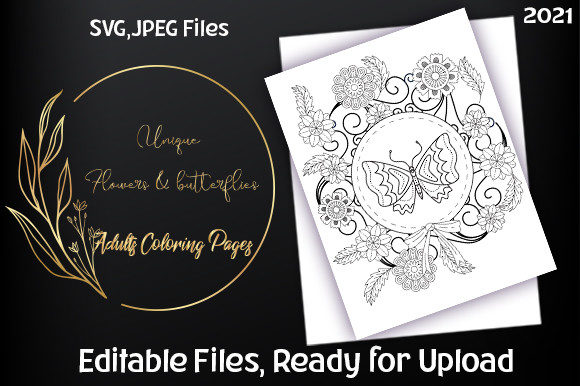
Let’s be clear upfront: 412 COLORING PAGES Adults and Kids is not an embroidery file. It’s a bundle of hand-drawn coloring pages — Mandalas, floral motifs, bunnies, realistic eyes and women’s faces, geometric patterns, and whimsical “other” pages — all created as line art for coloring, not stitching. As a designer who’s digitized hundreds of hand-drawn assets for real-world embroidery, my first reaction wasn’t “I’ll stitch this tomorrow.” It was: Which of these 412 pages can I realistically adapt — without losing charm or legibility — into a clean machine embroidery design?
Real-World Test: Turning One Bunny Page Into a Tote Bag Patch
Last week, I pulled one of the bunny illustrations — soft curves, open negative space, gentle contour lines — and tested it as a 3.5" embroidered patch on a natural canvas tote. I traced the outline in Illustrator, simplified interior details to avoid over-stitching, and converted it to a satin-stitched border with light fill-stitch ears. The result? Warm, handmade, instantly recognizable — but only because I edited it first. Left as-is, the original coloring page had too many fine interior lines, inconsistent line weight, and no stitch path logic. That’s critical: 412 COLORING PAGES Adults and Kids gives you raw visual inspiration — not production-ready embroidery files.
Where It Shines (and Where It Struggles) in Real Projects
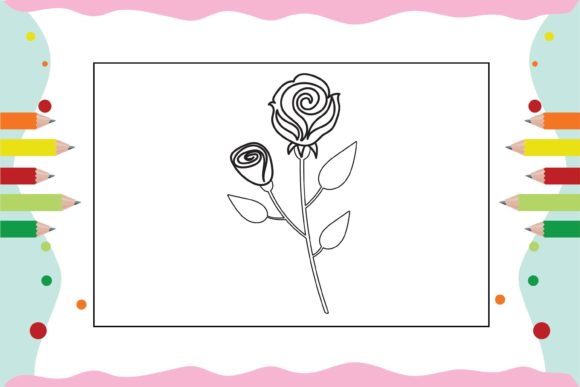
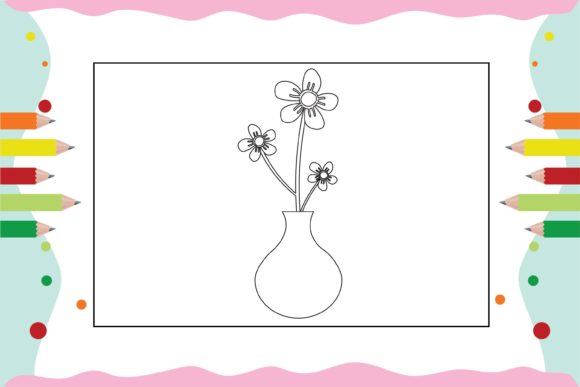
This bundle works beautifully as a source library for custom apparel, baby items, and boutique merchandise — if you’re willing to curate and refine. Mandalas translate well to pillow covers and tea towels when simplified into balanced fill-stitch motifs. Floral pages with bold outlines become elegant sweatshirt embroidery after adjusting stroke consistency and removing tiny stems that vanish under thread. Realistic eyes? Only for larger hoop sizes (5x7" minimum) and dense stabilizer — and even then, reserve them for wall art or framed embroidery, not stretchy baby onesies.
But here’s where caution kicks in: those delicate “realistic women faces” won’t hold up on thin fabric or curved surfaces like caps. Tiny bunnies with whiskers? They’ll blur into a muddy satin stitch unless scaled up and re-drawn. And layered garments — think hoodies with fleece backing — need extra stabilizer testing, especially with dense pattern pages from the bundle. Always test on scrap fabric first, using your exact thread colors and stabilizer combo.
Fabric & Function: Matching Design Personality to Material
The mood of 412 COLORING PAGES Adults and Kids leans gentle, mindful, and inclusive — which makes it ideal for nursery decor, personalized gifts, and small shop merchandise that values warmth over flash. But that same softness becomes a liability on dark fabric without high-contrast thread, or on textured fabrics like terry cloth where fine lines get swallowed. I’ve seen customers return embroidered kitchen towels because the original coloring-page line art didn’t convert cleanly to low-density fill stitch — resulting in gaps and skipped areas. Your job isn’t just to stitch it — it’s to interpret it for the medium.
For holiday embroidery or wedding gifts? Choose the cleaner, symmetrical pages — think mandalas or single florals — and avoid anything with handwritten phrases or fragile linework. For Etsy sellers building a cohesive brand, pull 5–7 pages that share similar line weight and spacing, then digitize them with consistent stitch types and density. That builds trust, not confusion.
Practical Designer Notes Before You Digitize or Sell
- Always check licensing. Since each page is drawn by the creator, confirm whether commercial use — especially selling finished embroidered products or reselling digitized versions — is permitted.
- Test in black and white mockups. Coloring pages often rely on contrast you can’t replicate with thread alone. What reads clearly in print may vanish in monochrome embroidery.
- Review stitch density before finalizing. Busy pattern pages tend to generate overly dense fills — increase underlay, reduce density by 15–20%, or switch to alternating fill angles to prevent puckering.
- Hoop size matters more than you think. A detailed floral page might look lovely at 6", but shrink it to 2.5" for a cap front and you’ll lose all definition. Keep a minimum scale guideline for each category (e.g., bunnies ≥ 3", eyes ≥ 4").
- Stabilizer isn’t optional — it’s structural. Use cutaway for knits, tear-away for stable wovens, and consider topping for highly textured fabrics. Those delicate “eyes” or fine mandala lines will shift without it.
- Compare light and dark backgrounds. Some pages have subtle shading or gray tones — they’ll disappear on black fabric unless you manually boost contrast during digitizing.
Final Thought: A Toolkit, Not a Shortcut
412 COLORING PAGES Adults and Kids isn’t lazy design fuel — it’s thoughtful raw material. As a craft business owner or Etsy seller, you’re not buying convenience; you’re investing in variety, personality, and visual diversity across your product line. Used intentionally, it supports custom apparel, embroidered patches, baby embroidery, holiday embroidery, and printable mockups — but only when paired with design judgment. Don’t treat it as a digital embroidery file. Treat it like a sketchbook you’re licensed to reinterpret. Then stitch it with care, stabilize it with confidence, and sell it with pride — because your customers aren’t buying a coloring page. They’re buying what you made from it.