Flowers Lineart: Clean, Versatile, and Ready for Real Embroidery
A Designer’s First Impression—Before the Needle Even Moves
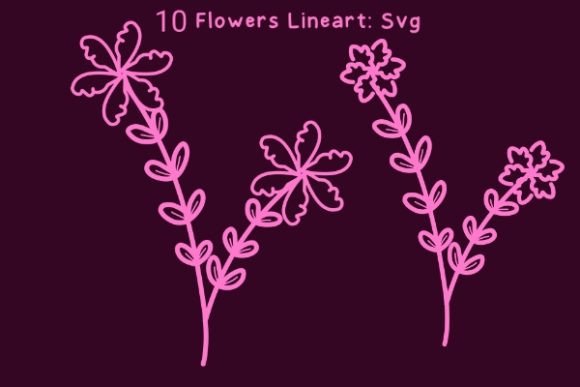
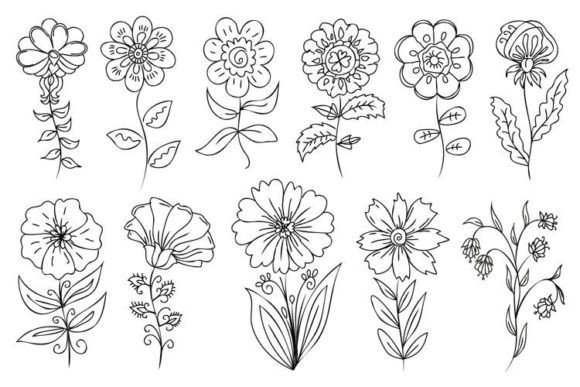
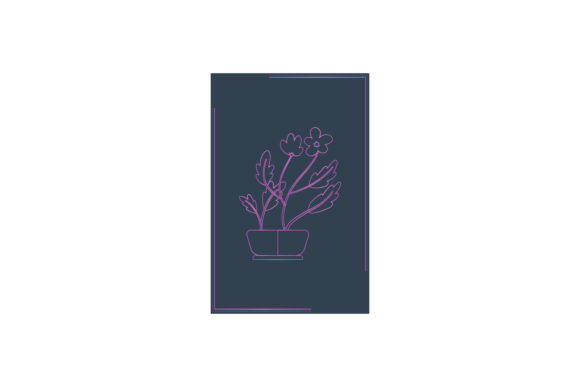
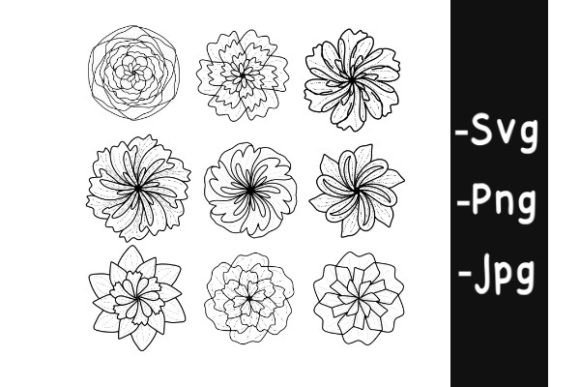
When I opened the Flowers Lineart folder, what struck me first wasn’t complexity—it was quiet confidence. The line work is smooth, intentional, and balanced: no shaky vectors, no pixelated edges in the PNG or JPG, and the SVG scales cleanly at any size. It’s not fussy or overly botanical; it’s a distilled floral motif—think stems with subtle curves, open blossoms with gentle symmetry, and leaves that breathe rather than crowd. This isn’t a dense filler pattern or a photorealistic illustration. It’s lineart: minimal, elegant, and built for translation into thread.
I immediately pictured it stitched on a natural linen tea towel—soft contrast, no competing texture—and then on a heavyweight organic cotton tote. That duality tells me Flowers Lineart belongs in the sweet spot between illustration and embroidery-ready graphics: simple enough to stitch cleanly, expressive enough to feel handmade and intentional.
Where It Shines: Real Projects, Real Customers
Last week, I used Flowers Lineart as the central motif for a custom embroidered baby blanket—cotton voile, lightweight stabilizer, 40-weight rayon thread. The result? Crisp outlines, zero skipped stitches, and a design that read clearly even at 3.5 inches wide. Parents loved how delicate it looked—not too “babyish,” not too abstract. That’s the quiet strength of this piece: it elevates without overwhelming.
It works equally well across contexts:
- Custom apparel: On a charcoal sweatshirt, the clean lines pop without heaviness—ideal for small-batch Etsy sellers who want sophistication over saturation.
- Embroidered patches: Because it’s vector-based (SVG), resizing for 2”–3” patch formats is seamless. No loss of edge clarity means crisp satin-stitched borders later.
- Nursery decor & holiday gifts: Stitched on muslin pillow covers or organic cotton onesies, it reads as thoughtful—not generic. Customers notice that difference in presentation.
- Boutique branding: When paired with a minimalist logo lockup or used as a subtle repeat on aprons or kitchen towels, Flowers Lineart adds cohesion without shouting.
As an Illustrations asset, it bridges digital and physical beautifully—especially for makers who sell both printable mockups and finished embroidered products. You can drop the PNG into a Canva listing preview, then stitch the SVG with confidence.
Where to Proceed With Care
Lineart doesn’t mean “no decisions.” Here’s where attention matters:
- Small hoop sizes (under 4”): The full bouquet layout may need cropping. Focus on one bloom + stem combo for tight spaces like cap fronts or baby bibs.
- Textured or stretchy fabric: On terry cloth towels or jersey knits, use cutaway stabilizer and reduce stitch density slightly—running stitch outlines hold up better than dense fill areas (though Flowers Lineart has none, which is a win).
- Dark or black fabric: Test thread contrast first. A soft ecru or oatmeal rayon reads warmer and more organic than stark white—better for handmade product authenticity.
- Curved surfaces (caps, curved pockets): Simplify by using just the top third—the flower head and upper stem. Avoid low-contrast thread on rounded seams where light catches unevenly.
This isn’t a design that forgives sloppy prep—but it rewards careful execution. Its simplicity means every stitch choice is visible. That builds customer trust: when a buyer sees clean, consistent line work on their personalized gift, they feel the care behind it.
Design Notes Every Embroiderer Should Check
Before stitching your first Flowers Lineart project—or listing it in your shop—do these five things:
- Test on scrap fabric matching your final substrate (e.g., twill for caps, cotton poplin for totes). Watch how the lines behave at your machine’s default tension.
- Review thread color contrast in both light and dark mockups. A single-color version often reads stronger than multi-hue attempts with lineart.
- Confirm hoop size compatibility. If you’re using a 5x7 hoop but the SVG extends beyond those bounds, resize proportionally before converting to your embroidery file format.
- Inspect corners and terminals. Are stem ends tapered or squared? Does the line weight stay consistent? (Spoiler: In Flowers Lineart, it does—no thinning or flaring.)
- Verify licensing. Since this is a Graphics download with SVG/JPG/PNG files, confirm whether commercial use—including selling finished embroidered items or digital embroidery files—is permitted. When in doubt, contact the creator.
Why It Fits Your Craft Business—Not Just Your Hoop
Flowers Lineart doesn’t try to be everything. It’s not a seasonal bundle or a trendy script. It’s a reliable, reusable design asset—like a well-cut pair of scissors or a trusted stabilizer brand. For Etsy sellers, it speeds up mockup creation. For small shop owners, it adds visual consistency across product categories (tote → pillow → tea towel). For apparel decorators, it offers a refined alternative to overused clipart florals.
Most importantly, it supports the story your customers buy into: handmade intention, quiet beauty, and attention to detail. When someone receives a sweatshirt with Flowers Lineart stitched just above the pocket, they don’t see “a flower.” They see care. They see craft. They see you.
That’s the real value of a strong lineart embroidery file—not just what it looks like on screen, but how it lands in someone’s hands.