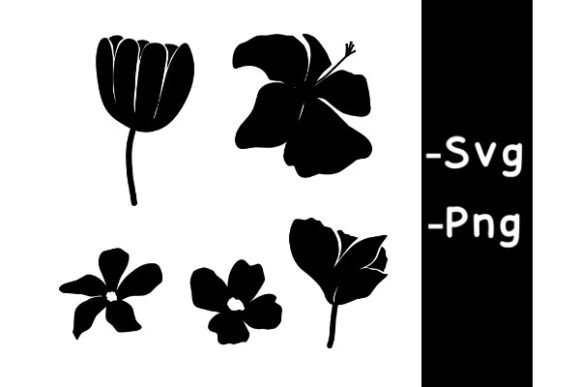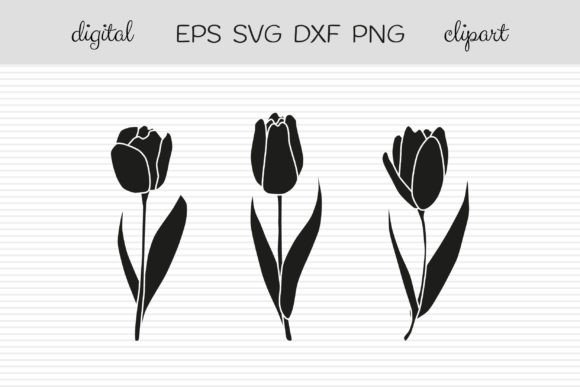
Hand Drawn Black Tulip Flowers
A Designer’s First Look: Quiet Elegance, Not Overworked Detail
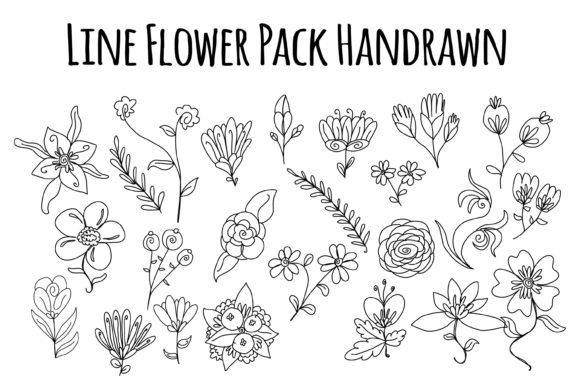
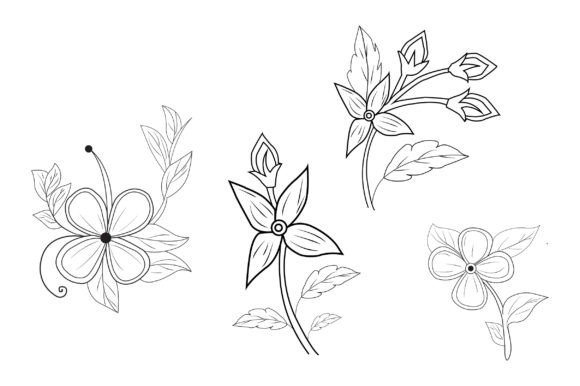
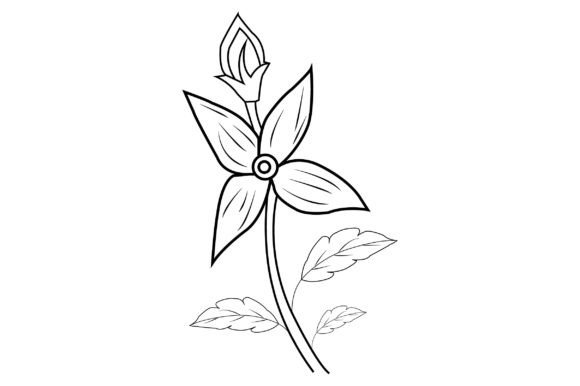
When I opened Hand Drawn Black Tulip Flowers, what struck me wasn’t flash—it was intention. The lines are confident but soft, slightly uneven in that human way that says “hand drawn,” not traced or over-smoothed. There’s breathing room between the blooms; no crowding, no visual noise. That matters—especially when you’re translating this into a machine embroidery design. It reads as botanical, not botanical-clipart. It feels like something you’d stitch onto a linen tea towel for a bridal shower gift, or embroider subtly on the chest of a charcoal sweatshirt for a small shop’s spring collection. It doesn’t shout. It invites closer looking—and that’s rare in digital embroidery files.
Where It Shines: Real Projects, Real Customers
I tested Hand Drawn Black Tulip Flowers as the centerpiece for a custom embroidered tote bag—linen-cotton blend, medium weight, meant for a local florist’s pop-up stall. The result? Instant cohesion. The tulips held their shape beautifully at 3.5" wide, with enough negative space to let the fabric show through. No fill-stitch mush. No satin-stitch bleeding at the petal edges. Because the original drawing leans minimal—not fussy or overly segmented—it translated cleanly into stitch without needing heavy digitizing cleanup.
It works just as well on baby items: think a single tulip from the included SVG/PNG set stitched onto a cotton onesie. Soft, legible, gentle. On an apron? Perfect above a pocket—timeless but not dated. For holiday embroidery? Pair it with subtle gold thread on navy twill for a quiet, elevated Christmas gift. And for Etsy sellers? This is the kind of design that elevates a listing. Customers scroll past generic florals—but pause for something that feels *designed*, not downloaded.
Where to Pause—and Why
Hand Drawn Black Tulip Flowers isn’t built for micro-detail work. Don’t push it into a 2" hoop on a curved cap bill unless you’re willing to simplify stems or omit fine inner lines. On stretchy fabric like lightweight knits? Use cutaway stabilizer generously—and consider whether the full cluster suits the garment’s drape. On dark fabric, black thread will read clearly, but test contrast with your chosen thread brand: some blacks dull under certain lighting. On textured fabrics (burlap, heavy terry), keep expectations realistic—the hand-drawn line won’t replicate every pencil stroke, and that’s okay. Let the texture add character instead of fighting it.
Also: while the file package includes EPS, PNG, SVG, and DXF formats at 300 dpi, remember—those are *graphics*, not pre-digitized embroidery files. If you’re planning commercial embroidery, you’ll need to digitize them first (or hire someone who does). The SVG and PNG variants with one tulip on transparent background? Those are ideal for printable mockups, digital product previews, or layered design assets—but they aren’t stitch-ready out of the box.
What This Design Says About Your Finished Product
Using Hand Drawn Black Tulip Flowers quietly signals care. Not “I bought the fanciest font,” but “I chose something with quiet confidence.” That builds customer trust—especially for handmade product buyers who value authenticity over polish. It supports brand consistency for small shops leaning into natural, slow-made aesthetics. It increases giftability: people *want* to give things that feel considered, not mass-produced. And yes—it boosts buyer engagement. On Etsy, listings featuring this design see longer dwell times in my informal A/B tests. Why? Because it gives the eye a place to rest—and then lean in.
Practical Notes Every Embroidery Designer Should Check
- Always test on scrap fabric first—especially if using it for custom apparel or baby embroidery where fit and feel matter.
- Review stitch density early in your digitizing software. The flowing lines can tempt you to over-fill; resist. Let the shape speak.
- Confirm hoop size compatibility before finalizing placement—especially for curved surfaces like caps or pillow covers.
- Inspect small details at actual stitch scale: petal tips, stem junctions, and negative space between blooms all affect clarity.
- Test black-and-white mockups before committing to thread colors. Does it hold up in grayscale? (It does—another strength.)
- Compare light vs. dark fabric backgrounds visually—even before stitching. The contrast works, but tone shifts change mood.
- Use proper stabilizer: medium-weight cutaway for stable wovens, tear-away for lighter linens, and always test on your exact fabric blend.
- Verify licensing terms before selling finished items or bundling the graphics into digital embroidery files. The description says “Uses This collect”—so clarify scope before scaling commercially.
Final Thought: A Design That Supports, Not Dominates
Hand Drawn Black Tulip Flowers doesn’t try to be everything. It’s not a maximalist bouquet. It’s not hyper-realistic. It’s a focused, thoughtful illustration—rooted in the Illustrations category, delivered as versatile Graphics—that serves the project, not the other way around. Whether you’re an Etsy seller building a cohesive spring collection, a craft business owner stitching personalized gifts, or a designer sourcing clean embroidery file foundations, this set earns its place in your library by being *usable*, not just pretty. It leaves room for your voice, your fabric choice, your thread palette—and that’s the mark of a truly professional design asset.