Raising Wildflowers SVG: Graphics & Print Templates
As a digital product creator who’s launched over 200 Etsy listings and managed seasonal collections across Creative Fabrica, Shopify, and print-on-demand platforms, I opened Raising Wildflowers Svg, Flowers Svg with a very specific question: *Does this asset translate into real, sellable products — not just pretty pixels?*
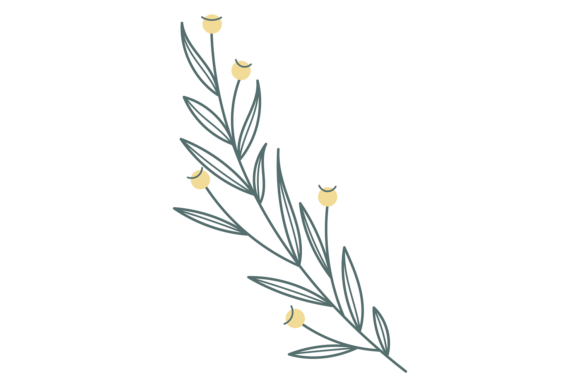
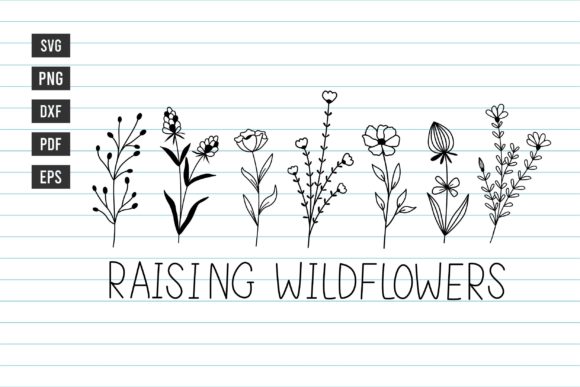
First impression? It’s quietly confident. The hand-drawn style feels organic but intentional — not overly sketchy, not sterile. There’s a gentle rhythm to the stems and petals: soft curves, subtle line weight variation, and a natural asymmetry that avoids looking AI-generated or mass-produced. It leans feminine and earthy without being cloying, rustic without feeling dated. That balance makes it ideal for audiences seeking mindful, nature-connected aesthetics — think small-batch herbalists, eco-conscious stationery brands, cottagecore planners, or wellness-focused content creators.
This isn’t a bold, festival-ready floral. It’s more suited to quiet confidence than loud celebration — perfect for nursery prints, slow-living blog graphics, or minimalist greeting cards. If your shop sells “calm creativity,” this graphic design asset fits like a well-worn apron.
The file package — Hand Drawn Raising Wildflower And Wildflower Svg digital download Print 10 files. - 2 SVG - 2 PNG - 2 DXF - 2 PDF - 2 EPS Raising Wildflowers SVG Files High Resolution 300 dpi — is thoughtfully structured. Two SVGs (likely layered and flattened versions), two transparent PNGs (one at standard size, one scaled for flexibility), two DXF files (critical for Silhouette users), plus PDF and EPS for vector editing and professional print prep. That range means you’re not guessing which format works where — you’re testing purposefully.
I ran Raising Wildflowers Svg, Flowers Svg through a live product workflow: mockup previews, thumbnail sizing, and cross-platform compatibility checks. Here’s where it shines:
- Printable designs: The 300 dpi resolution holds up beautifully on 8×10 wall art, planner stickers, and greeting card inserts. Paired with a soft serif font like Playfair Display or a light sans like Lato, it reads as premium — not clipart.
- Cricut & Silhouette projects: The SVG and DXF files cut cleanly on my Cricut Maker. No stray nodes, no overlapping paths. Ideal for vinyl decals on mugs, tumbler wraps, or iron-on transfers for tote bags and tees — especially when paired with neutral bases (cream canvas, oatmeal linen, matte white ceramic).
- Canva templates: Dropped into a Canva invitation or social media post, the illustration anchors the layout without overwhelming. Its open negative space gives room for text overlays — essential for digital downloads meant for customer customization.
- Sublimation & POD: On polyester blends and ceramic mugs, the fine linework stays legible at medium scale. Not recommended for tiny phone cases, but excellent for throw pillows, large-format posters, and apparel placements above the waistline.
- Digital bundles: This works exceptionally well in themed collections — “Botanical Planner Kit,” “Spring Greeting Card Bundle,” or “Nature-Inspired Canva Template Pack.” Its cohesive mood helps unify otherwise disparate assets.
Where to use it carefully? Avoid cramming it into tight sticker sheets with 50+ elements — the delicate stems lose clarity under 1 inch. Skip dark backgrounds unless you’ve tested contrast; some versions of the hand-drawn lines fade slightly against charcoal or navy. And while the SVG cuts well, don’t assume it’s optimized for intricate weeding — test a single flower first on your cutting machine before batching 100 mug decals.
For product presentation, Raising Wildflowers Svg, Flowers Svg boosts perceived value instantly. A clean mockup showing the design on a linen tea towel or a matte-finish greeting card builds trust faster than generic stock photos. In Etsy thumbnails, its balanced composition and warm-but-not-saturated tones stand out among cluttered, high-contrast listings. It supports visual storytelling — imagine pairing it with copy like “For the wild-hearted planner” or “Grow your calm, one petal at a time.”
Before publishing any listing using this asset, run these five practical checks:
- Preview the PNG on both white and dark backgrounds — verify transparency and contrast.
- Open the SVG in Inkscape or Illustrator — zoom in to inspect anchor points and ensure no hidden layers or stray strokes.
- Test-print a 4×6 version on your home printer — check color fidelity and line crispness.
- Drop it into a Canva template mockup at actual size — does it hold hierarchy next to headlines and body text?
- Confirm commercial license terms — this is a commercial design, but always re-read the seller’s terms regarding attribution, resale limits, or platform-specific restrictions.
Pair it intentionally: try it with a grounded script font for invitations, a clean sans-serif for modern packaging design, or a delicate handwritten style for journal covers. Its versatility lies in restraint — it doesn’t shout, so it doesn’t compete. That makes it a strong supporting player in brand identity work, especially for handmade businesses building small business branding around authenticity and care.
If you’re curating a spring-themed digital download shop, launching a printable planner line, or expanding your sublimation catalog with botanical depth, Raising Wildflowers Svg, Flowers Svg is a low-risk, high-cohesion addition. It won’t replace your hero logo, but it will elevate your entire product mockup library, strengthen your visual hierarchy, and help your Etsy product or creative marketplace listing feel intentional — not assembled.
Bottom line? This is a working graphic design asset — not just decoration. It’s built for iteration, bundling, and real-world production. Test it early in your workflow, pair it thoughtfully, and let its quiet confidence do the talking.