Tropical Leaves, Flowers and Plants: A Designer's Real-World Review
As someone who has spent years turning digital files into tangible stitched art for clients and craft fairs, I approach every new download with a mix of excitement and skepticism. When Tropical Leaves, Flowers and Plants landed in my inbox, I didn't just see another set of graphics; I saw potential for summer collections, nursery decor, and boutique branding. This isn't just about the visual appeal of the Illustrations; it is about how those lines translate when they become thread on fabric.
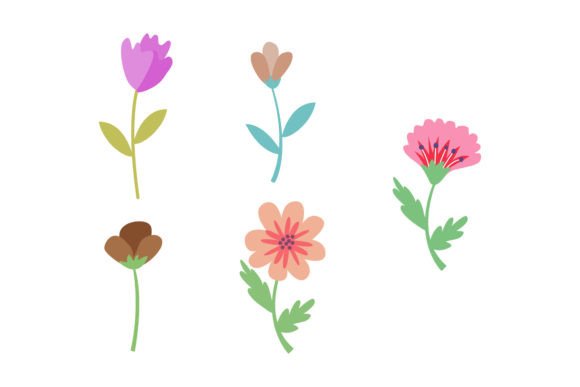
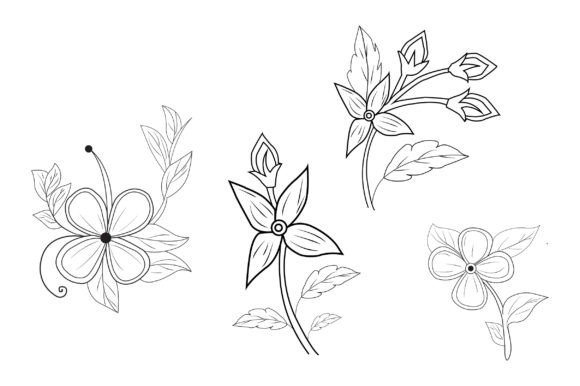
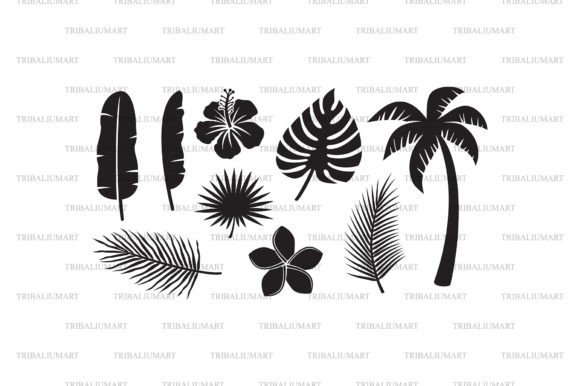
The first impression of this design is undeniably fresh. The layout balances lush foliage with delicate blooms in a way that feels organic rather than stiff. For an embroidery designer, the initial check is always about the mood. Does it scream "summer vacation" or does it whisper "cozy botanical garden"? With Tropical Leaves, Flowers and Plants, the answer leans heavily toward vibrant energy. It captures the essence of a tropical greenhouse, making it an ideal candidate for projects that need to pop against neutral backgrounds or blend softly with earthy tones.
From Digital File to Finished Product
Let's talk about the real-world application. I recently decided to test this design on a custom embroidered tote bag project intended for a local farmers market. The goal was to create a reusable shopping bag that felt artisanal but durable enough for daily use. The file structure provided includes SVG, DXF, EPS, JPEG, PNG, and PDF formats, which gave me the flexibility to adjust the scale depending on my hoop size.
When I loaded the design into my machine software, the pathing looked clean. However, the true test happens during the stitching process. Because Tropical Leaves, Flowers and Plants features a mix of large leaf shapes and finer floral details, stitch density becomes a critical factor. If the density is too high, the fabric might pucker, especially on lighter materials like cotton canvas used for tote bags. If it is too low, the fill stitches might not cover the background completely, leaving unsightly gaps.
In my testing phase, I found that this design shines best as a central focal point. Whether you are working on a sweatshirt chest pocket, a baby onesie back, or a kitchen towel hem, the composition draws the eye naturally. It works exceptionally well as a standalone piece without needing excessive text or additional embellishments. This simplicity is a huge plus for small business owners looking to streamline their production workflow.
Ideal Use Cases for Makers and Sellers
For Etsy sellers and handmade shop owners, versatility is currency. Tropical Leaves, Flowers and Plants offers a wide range of applications that can expand your product line without requiring multiple purchases. Here is where I believe this design fits perfectly:
- Custom Apparel: The design scales beautifully on adult t-shirts and unisex hoodies. The tropical theme resonates strongly with summer fashion trends, making it a great choice for seasonal drops.
- Baby and Nursery Items: Soft pastel threads combined with these greens and flowers create a soothing yet modern aesthetic for baby blankets, bibs, and nursery wall hangings.
- Home Decor: Imagine this stitched onto a linen pillow cover or a tea towel. The botanical theme adds a touch of nature to any kitchen or living space, appealing to homeowners who love interior styling.
- Holiday Gifts: While tropical, the design has a universal appeal that works for birthdays, housewarmings, and even summer-themed holiday gifts.
- Commercial Embroidery: For corporate merchandise or event swag, this design elevates standard polo shirts and caps, moving away from generic logos to something more artistic.
The inclusion of various formats like SVG and DXF means you aren't limited to just one type of machine. You can easily adapt the embroidery file for different hoop sizes, ensuring that whether you are stitching a tiny patch or a full-back design, the proportions remain intact.
Where Caution Is Required
While the design is robust, no single pattern is perfect for every situation. As a reviewer, I must highlight specific scenarios where Tropical Leaves, Flowers and Plants might require extra attention or a different approach.
Small Hoop Sizes: If you attempt to stitch this on a very small surface area, such as a cap front panel or a small keychain patch, the detail level might get lost. Tiny leaves and flower centers can merge together if the resolution is pushed too far. Always preview the design at 100% scale before committing to production.
Fabric Texture and Stretch: Embroidering on stretchy fabrics like jersey or thin knits requires a stabilizer that matches the tension of the material. Without proper backing, the heavy fill stitches often found in leaf designs can cause the fabric to ripple. Similarly, textured fabrics like bouclé or thick wool may hide the fine details of the floral elements, making the design look muddy rather than crisp.
Dense Stitch Areas: If you plan to use this as a dense applique design, be mindful of the thread count. High stitch counts on dark fabrics can sometimes lead to thread breakage or uneven coverage. It is crucial to inspect the small details and ensure the underlay is sufficient to support the top layers.
Visual Appeal and Brand Value
One of the most significant factors in selling handmade products is the perceived value. A well-executed embroidery job signals quality and care. Tropical Leaves, Flowers and Plants contributes to this by offering a sophisticated look that feels handcrafted rather than mass-produced. When customers receive a personalized gift featuring this design, the intricate stitching invites them to appreciate the effort put into the finished product.
For creative entrepreneurs, consistency is key. Using high-quality design assets like this ensures that your brand remains professional across all platforms. Whether you are showcasing a printable mockup on social media or displaying a physical item at a craft fair, the clarity of the design translates well in photos. The natural curves of the leaves and the symmetry of the flowers create a balanced composition that photographs beautifully, helping to drive buyer engagement.
Practical Designer Notes for Success
Before you start stitching, here are a few essential steps to ensure your project runs smoothly:
- Test on Scrap Fabric: Never cut into your final garment without a test run. Check how the thread colors interact with the fabric texture and verify that the stabilizer holds up under the needle.
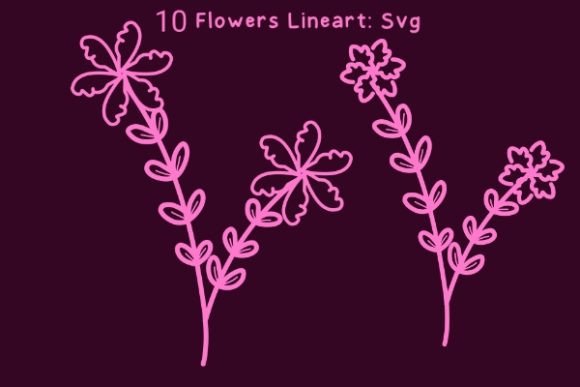
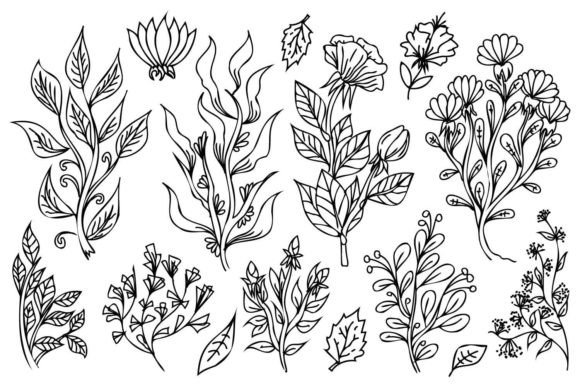
- Review Thread Colors: The design looks different in black and white versus full color. Ensure your chosen thread palette provides enough contrast so the details don't get lost.
- Check Stitch Density: If the design feels too heavy, consider adjusting the density settings in your software or switching to a lighter weight thread.
- Confirm Licensing: If you intend to sell finished items or digital products created with this file, double-check the license terms. Some commercial licenses have restrictions on the number of units you can produce.
- Inspect Small Details: Zoom in on the SVG or DXF file to ensure there are no stray nodes or broken paths that could cause machine errors.
In conclusion, Tropical Leaves, Flowers and Plants is a versatile and visually striking addition to any designer's library. It bridges the gap between digital aesthetics and tactile craftsmanship, offering endless possibilities for custom apparel, home decor, and personalized gifts. By paying attention to fabric selection, stabilization, and stitch settings, you can transform this graphic into a stunning piece of wearable art that delights both the maker and the recipient.